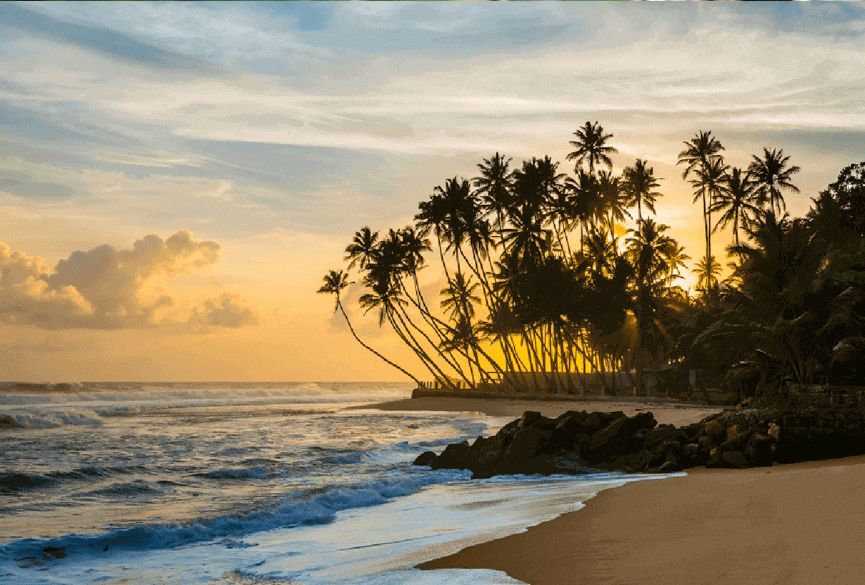
Plan your perfect Sri Lanka trip with our comprehensive guide to weather patterns, peak seasons, and cultural festivals. Find the ideal time to visit based on your interests and travel style.
Understanding Sri Lanka's Climate
Sri Lanka's tropical climate is influenced by two monsoon seasons, creating distinct weather patterns across different regions of the island. The country experiences two main monsoon periods: the Southwest Monsoon (Yala) from May to September, and the Northeast Monsoon (Maha) from December to February.
This unique weather system means that while one part of the island experiences rain, another part enjoys dry, sunny weather. This makes Sri Lanka a year-round destination, with the best time to visit depending on which regions you plan to explore.
Peak Season: December to March
The period from December to March is considered the peak tourist season in Sri Lanka. During this time, the weather is generally dry and pleasant across most of the island, making it ideal for beach holidays, wildlife safaris, and cultural sightseeing.
Weather Conditions:
- Dry and sunny weather in most regions
- Average temperatures: 25-30°C (77-86°F)
- Low humidity levels
- Clear skies and excellent visibility
Best for: Beach holidays, wildlife safaris, cultural tours, hiking, and outdoor activities.
Considerations: Higher prices, larger crowds, and the need to book accommodations well in advance.
Shoulder Season: April and November
April and November are excellent months to visit Sri Lanka, offering a good balance between favorable weather conditions and fewer crowds. These months provide great value for money and more authentic experiences.
April Highlights:
- Warm, dry weather in most regions
- Sinhala and Tamil New Year celebrations
- Good conditions for wildlife viewing
- Fewer tourists than peak season
November Highlights:
- Transition from rainy to dry season
- Lush, green landscapes
- Good weather for beach activities
- Cultural festivals and events
Off-Season: May to September
The Southwest Monsoon brings rain to the western and southern coasts from May to September, but this doesn't mean you should avoid Sri Lanka during this period. The east coast and central highlands experience their best weather during these months.
Advantages of Off-Season Travel:
- Significantly lower prices
- Fewer crowds and more authentic experiences
- Lush, green landscapes
- Excellent conditions for east coast beaches
- Good weather for hill country exploration
Regions to Focus On: East coast (Trincomalee, Arugam Bay), central highlands (Kandy, Nuwara Eliya), and cultural triangle.
Regional Weather Guide
West and South Coasts (Colombo, Galle, Bentota):
- Best weather: December to March
- Rainy season: May to September
- Ideal for: Beach holidays, water sports, cultural sites
East Coast (Trincomalee, Arugam Bay):
- Best weather: April to September
- Rainy season: November to February
- Ideal for: Beach holidays, surfing, diving
Central Highlands (Kandy, Nuwara Eliya):
- Best weather: December to March, July to September
- Cooler temperatures year-round
- Ideal for: Tea plantation tours, hiking, cultural sites
Cultural Triangle (Anuradhapura, Polonnaruwa, Sigiriya):
- Best weather: December to March, May to September
- Dry climate with minimal rainfall
- Ideal for: Historical sites, wildlife safaris
Festivals and Cultural Events
Sri Lanka's rich cultural calendar offers numerous festivals throughout the year, each providing unique insights into the country's traditions and way of life.
Major Festivals by Season:
January: Duruthu Perahera (Colombo), Thai Pusam (Hindu festival)
February: Independence Day celebrations, Navam Perahera (Colombo)
April: Sinhala and Tamil New Year (most important cultural festival)
May: Vesak (Buddha's birthday, enlightenment, and death)
July/August: Esala Perahera (Kandy's grand festival)
October/November: Deepavali (Hindu festival of lights)
Wildlife Viewing Seasons
Sri Lanka's national parks offer different wildlife viewing opportunities throughout the year, with the best times depending on the specific park and animals you want to see.
Yala National Park: Best from February to July (dry season when animals gather around water sources)
Wilpattu National Park: Best from February to October (dry season for better wildlife visibility)
Udawalawe National Park: Good year-round, but best from May to September (elephant migration season)
Minneriya National Park: Best from July to September (famous "Gathering" of elephants)
Beach and Water Sports Seasons
Sri Lanka's extensive coastline offers excellent opportunities for beach holidays and water sports, with different regions having their peak seasons at different times of the year.
West and South Coasts: Best from November to April for swimming, snorkeling, and diving.
East Coast: Best from April to September for surfing, with Arugam Bay being a world-renowned surf destination.
Whale Watching: Best from November to April on the west coast (Mirissa, Kalpitiya) and from April to September on the east coast (Trincomalee).
Budget Considerations
Your travel budget can significantly influence the best time to visit Sri Lanka, as prices vary considerably throughout the year.
Peak Season (December-March):
- Highest prices for flights and accommodations
- Advance booking required (3-6 months)
- Premium rates for tours and activities
Shoulder Season (April, November):
- Moderate prices with good value
- More availability and flexibility
- Good balance of weather and cost
Off-Season (May-September):
- Lowest prices for flights and accommodations
- Last-minute booking possible
- Significant savings on tours and activities
Practical Tips for Planning
Book in Advance: During peak season, book flights and accommodations 3-6 months in advance to secure the best rates and availability.
Be Flexible: If possible, be flexible with your travel dates to take advantage of better weather or lower prices in different regions.
Pack Accordingly: Bring appropriate clothing for the season and regions you'll be visiting, including rain gear for monsoon seasons.
Consider Regional Focus: Plan your itinerary based on regional weather patterns to maximize your experience.
Conclusion
The best time to visit Sri Lanka depends on your specific interests, budget, and travel preferences. While the peak season from December to March offers the most reliable weather across the island, the shoulder and off-seasons provide unique advantages including lower costs, fewer crowds, and different cultural experiences.
Remember that Sri Lanka's diverse climate means there's always a good time to visit some part of the island. By understanding the regional weather patterns and aligning your interests with the appropriate season, you can create an unforgettable Sri Lankan experience regardless of when you choose to travel.
Whether you're seeking perfect beach weather, optimal wildlife viewing conditions, or the excitement of cultural festivals, Sri Lanka's year-round appeal ensures that your visit will be memorable and rewarding whenever you choose to explore this beautiful island nation.