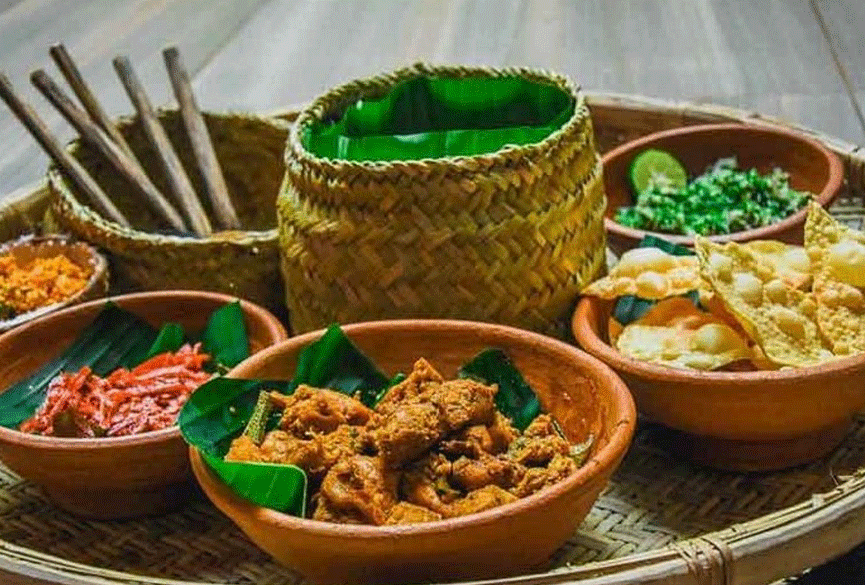
Explore the diverse and flavorful world of Sri Lankan cuisine. From spicy curries and fresh seafood to aromatic rice dishes and tropical fruits, discover why Sri Lanka is becoming a food lover's paradise.
The Rich Tapestry of Sri Lankan Flavors
Sri Lankan cuisine is a vibrant fusion of flavors influenced by centuries of trade, colonization, and cultural exchange. The island's strategic location along ancient spice routes has created a culinary tradition that combines indigenous ingredients with influences from India, the Middle East, and Europe.
At the heart of Sri Lankan cooking lies rice and curry, a concept that goes far beyond the simple combination of rice and curry. It's a symphony of flavors, textures, and aromas that represents the essence of Sri Lankan hospitality and culture.
Essential Sri Lankan Spices and Ingredients
Sri Lankan cuisine is renowned for its bold use of spices, creating dishes that are both aromatic and flavorful. The key spices that define Sri Lankan cooking include:
- Cinnamon: Sri Lanka is the world's largest producer of true cinnamon
- Cardamom: Adds a sweet, floral note to curries and desserts
- Cloves: Provides warmth and depth to meat dishes
- Curry Leaves: Essential for authentic Sri Lankan flavor
- Coconut: Used in various forms - milk, oil, and grated
- Turmeric: Gives the characteristic golden color to curries
- Chili: Adds the signature heat to Sri Lankan dishes
Street Food Adventures
Sri Lankan street food offers an authentic taste of local culture and is an essential part of any culinary journey through the island. From bustling markets to roadside stalls, the street food scene is vibrant and diverse.
Kottu Roti: Perhaps Sri Lanka's most famous street food, kottu roti is a stir-fried dish made with shredded roti bread, vegetables, eggs, and your choice of meat or seafood. The rhythmic chopping sound of the kottu being prepared is a familiar sound in Sri Lankan streets.
Hoppers (Appa): These bowl-shaped pancakes made from fermented rice flour and coconut milk are a breakfast favorite. Served with a variety of accompaniments like sambol, curry, or a fried egg in the center.
String Hoppers (Idiyappam): Delicate rice noodles steamed in circular nests, typically served with coconut sambol and curry for breakfast or dinner.
Traditional Rice and Curry
A traditional Sri Lankan rice and curry meal is a feast for the senses, typically consisting of:
- Red Rice: Nutritious and flavorful, often served as the base
- Fish Curry: Made with fresh local fish and coconut milk
- Dhal Curry: Lentil curry with coconut milk and spices
- Vegetable Curries: Seasonal vegetables cooked with spices
- Sambols: Condiments like coconut sambol, seeni sambol
- Pickles: Spicy accompaniments to balance the meal
Seafood Delights
With its extensive coastline, Sri Lanka offers an abundance of fresh seafood. The fishing industry provides a steady supply of tuna, snapper, prawns, crabs, and lobsters that feature prominently in local cuisine.
Jaffna Crab Curry: A specialty from the northern region, this rich and spicy curry showcases the region's unique blend of spices and cooking techniques.
Ambul Thiyal: A sour fish curry from the southern coast, made with goraka (a souring agent) and traditional spices, creating a unique tangy flavor.
Regional Specialties
Each region of Sri Lanka has its own culinary identity, influenced by local ingredients, climate, and cultural traditions:
Jaffna Cuisine: Known for its fiery curries and unique spice blends, Jaffna food is among the spiciest in Sri Lanka. The region's proximity to South India influences its cooking style.
Kandyan Cuisine: The hill country offers dishes that are milder and more aromatic, often featuring vegetables and herbs grown in the cooler climate.
Coastal Cuisine: The coastal regions excel in seafood preparations, with coconut playing a central role in most dishes.
Sweet Treats and Desserts
Sri Lankan desserts are a celebration of local ingredients, particularly coconut, jaggery (palm sugar), and rice flour. Traditional sweets are often served during festivals and special occasions.
Kavum: Deep-fried sweet treats made from rice flour and jaggery, often shaped into intricate designs.
Watalappan: A rich coconut custard dessert with cardamom and jaggery, similar to crème brûlée but with distinct Sri Lankan flavors.
Kiri Pani: A simple yet delicious dessert made from rice flour, coconut milk, and jaggery, steamed to perfection.
Modern Sri Lankan Dining
While traditional cuisine remains popular, Sri Lanka's dining scene has evolved to include modern interpretations of classic dishes. Fine dining restaurants in Colombo and other major cities offer innovative takes on traditional recipes, using local ingredients in creative ways.
Many restaurants now focus on farm-to-table concepts, sourcing ingredients directly from local farmers and fishermen. This approach not only ensures freshness but also supports local communities and sustainable practices.
Cooking Classes and Food Tours
For those who want to dive deeper into Sri Lankan cuisine, cooking classes and food tours offer hands-on experiences. Learn to prepare traditional dishes, visit local markets, and understand the cultural significance of different foods.
Many cooking schools are located in rural areas, providing an authentic setting for learning traditional cooking methods and techniques passed down through generations.
Practical Tips for Food Lovers
Spice Tolerance: Sri Lankan food can be quite spicy. Don't hesitate to ask for milder versions if you're not accustomed to heat.
Street Food Safety: Look for busy stalls with high turnover, and ensure food is cooked fresh in front of you.
Local Markets: Visit local markets to see fresh ingredients and experience the vibrant atmosphere of Sri Lankan food culture.
Seasonal Eating: Sri Lankan cuisine is heavily influenced by seasons. Try to eat what's in season for the best flavors and nutritional value.
Conclusion
A culinary journey through Sri Lanka is an adventure that engages all your senses. From the aromatic spices that fill the air to the vibrant colors of fresh produce, and from the complex flavors of traditional curries to the simple pleasure of fresh tropical fruits, Sri Lankan cuisine offers something for every palate.
The island's food culture is deeply intertwined with its history, geography, and way of life. Each meal tells a story of cultural exchange, local traditions, and the island's abundant natural resources. Whether you're sampling street food in Colombo, enjoying a traditional rice and curry meal in a local home, or dining at a fine restaurant, you're participating in a culinary tradition that has been refined over centuries.
So come with an open mind and an empty stomach, and let Sri Lanka's flavors take you on a journey you'll never forget. The island's cuisine is not just food – it's an expression of its people's warmth, hospitality, and love for life.