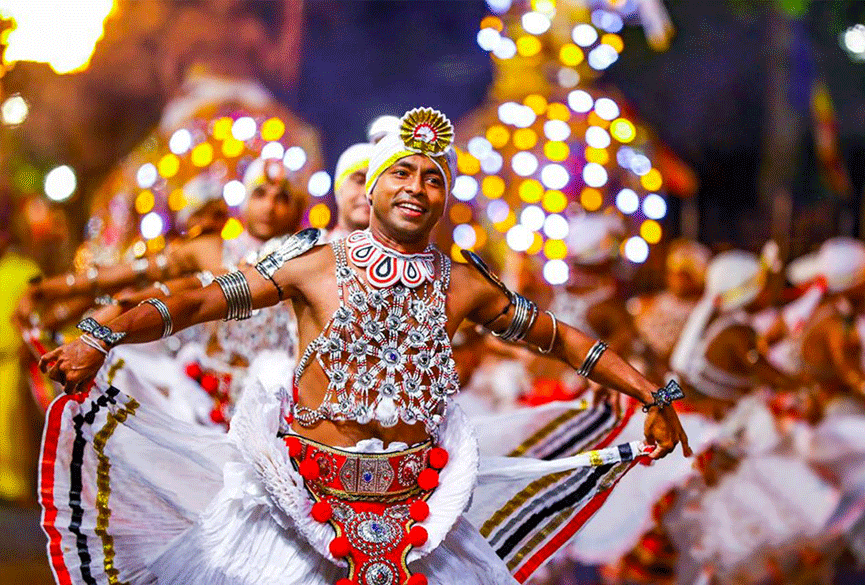
Immerse yourself in the vibrant world of Sri Lankan traditional dance. Discover the history, costumes, and significance of Kandyan and Low Country dance forms that have been preserved for generations.
The Rich Heritage of Sri Lankan Dance
Sri Lankan traditional dance is a living testament to the island's rich cultural heritage, with roots that extend back over 2,500 years. These dance forms are not merely entertainment but are deeply embedded in the religious, social, and cultural fabric of Sri Lankan society.
The island's dance traditions have been influenced by various cultures throughout history, including Indian, Portuguese, Dutch, and British influences, yet they have maintained their unique Sri Lankan identity. Today, these dances continue to be performed at religious ceremonies, cultural festivals, and special occasions, keeping the traditions alive for future generations.
Kandyan Dance: The Dance of the Hill Country
Kandyan dance, also known as Uda Rata Natum, is the most famous and widely recognized form of Sri Lankan traditional dance. Originating from the Kandyan Kingdom in the central highlands, this dance form is characterized by its graceful movements, elaborate costumes, and rhythmic drumming.
Historical Significance: Kandyan dance has its origins in the rituals and ceremonies of the Kandyan Kingdom, which ruled the central highlands of Sri Lanka from the 15th to the 19th century. The dance was originally performed as part of religious ceremonies and royal court entertainment.
Key Characteristics:
- Graceful, flowing movements with precise footwork
- Elaborate costumes with traditional headdresses
- Accompaniment by traditional Kandyan drums
- Stories often based on Buddhist and Hindu mythology
- Both male and female dancers with distinct styles
Low Country Dance: The Dance of the Coastal Plains
Low Country dance, or Pahatha Rata Natum, originates from the southern and western coastal regions of Sri Lanka. This dance form is known for its dynamic movements, vibrant costumes, and connection to healing rituals and exorcism ceremonies.
Cultural Context: Low Country dance is deeply connected to the traditional healing practices and exorcism rituals known as "thovil." These dances are performed to invoke deities, ward off evil spirits, and bring healing to the community.
Distinctive Features:
- Energetic and dynamic movements
- Colorful masks representing various deities and demons
- Traditional Low Country drumming patterns
- Ritualistic elements and spiritual significance
- Often performed as part of healing ceremonies
The Art of Kandyan Dance
Kandyan dance is a highly refined art form that requires years of training and dedication. The dance is characterized by its elegant movements, which are both powerful and graceful, creating a mesmerizing spectacle for audiences.
Basic Movements and Techniques:
- Ves Dance: The most prestigious form, performed by male dancers
- Naiyandi Dance: A graceful form performed by both men and women
- Udekki Dance: Performed with small hand drums called udekki
- Pantheru Dance: Performed with tambourine-like instruments
- Vannam: Narrative dances telling stories from mythology
Costumes and Accessories: Kandyan dancers wear elaborate costumes that are works of art in themselves. The traditional costume includes a white cloth wrapped around the waist, a red and white headdress, silver ornaments, and anklets with bells that create rhythmic sounds during the dance.
The Mystique of Low Country Dance
Low Country dance offers a completely different aesthetic and cultural experience. These dances are often performed as part of elaborate rituals that can last for hours or even days, creating a powerful spiritual atmosphere.
Types of Low Country Dances:
- Devol Maduwa: Ritual dances for the deity Devol
- Kohomba Kankariya: Dances for the deity Kohomba
- Sanni Yakuma: Healing dances for various ailments
- Maha Sohon Samayama: Rituals for the deity Maha Sohon
- Rata Yakuma: Dances for territorial deities
Masks and Symbolism: Low Country dance is famous for its elaborate masks, each representing different deities, demons, or characters from folklore. These masks are carved from light wood and painted with vibrant colors, creating striking visual effects during performances.
Musical Accompaniment
Both Kandyan and Low Country dances are accompanied by traditional drumming, which is an integral part of the performance. The rhythms and beats not only provide musical accompaniment but also guide the dancers' movements and create the emotional atmosphere of the performance.
Kandyan Drums:
- Geta Bera: The main drum, played with both hands
- Thammattama: A pair of small drums played with sticks
- Yak Bera: A larger drum used for special occasions
- Horanewa: A wind instrument similar to an oboe
Low Country Drums:
- Geta Bera: Similar to Kandyan but with different tuning
- Thammattama: Used for rhythmic accompaniment
- Yak Bera: Creates deep, resonant sounds
- Thalampota: Cymbals for accent and rhythm
Training and Preservation
Traditional Sri Lankan dance is passed down through generations via the guru-shishya (teacher-student) tradition. Young dancers begin their training at an early age, learning not just the physical movements but also the cultural and spiritual significance of each dance form.
Modern Preservation Efforts:
- Government-supported dance schools and academies
- Cultural centers dedicated to traditional arts
- Festivals and competitions to promote the art forms
- Documentation and research projects
- International performances and cultural exchanges
Where to Experience Traditional Dance
Visitors to Sri Lanka have numerous opportunities to witness these beautiful dance forms in their authentic settings.
Cultural Shows: Many hotels and cultural centers in major cities like Colombo, Kandy, and Galle offer regular cultural shows featuring both Kandyan and Low Country dances.
Festivals and Ceremonies: The best way to experience traditional dance is during religious festivals and ceremonies, where the dances are performed in their original context.
Dance Schools: Some dance schools welcome visitors to observe training sessions and learn about the art forms from the masters themselves.
The Spiritual and Cultural Significance
Traditional Sri Lankan dance is deeply rooted in the island's spiritual and cultural traditions. These dances serve multiple purposes beyond entertainment:
Religious Significance: Many dances are performed as offerings to deities or as part of religious ceremonies, serving as a bridge between the human and spiritual worlds.
Healing and Exorcism: Low Country dances, in particular, are often performed as part of traditional healing rituals and exorcism ceremonies.
Cultural Identity: These dance forms are powerful expressions of Sri Lankan cultural identity, preserving ancient traditions and stories for future generations.
Community Bonding: Dance performances bring communities together, strengthening social bonds and preserving collective memory.
Modern Interpretations and Evolution
While traditional dance forms are carefully preserved, they have also evolved to adapt to modern contexts. Contemporary choreographers and dancers are finding new ways to present these ancient art forms while maintaining their essential character and significance.
Fusion Performances: Some modern performances combine traditional Sri Lankan dance with contemporary elements, creating innovative and engaging experiences for modern audiences.
International Recognition: Sri Lankan traditional dance has gained international recognition, with performances at cultural festivals and events around the world.
Conclusion
Traditional Sri Lankan dance is a living art form that continues to captivate audiences with its beauty, grace, and cultural significance. Whether you witness the elegant movements of Kandyan dance or the dynamic energy of Low Country dance, you'll be experiencing a tradition that has been carefully preserved and passed down through generations.
These dance forms offer a unique window into Sri Lanka's rich cultural heritage, providing insights into the island's history, beliefs, and way of life. They are not just performances but expressions of the Sri Lankan spirit, connecting the past with the present and ensuring that these beautiful traditions continue to thrive.
When you visit Sri Lanka, make sure to include a traditional dance performance in your itinerary. It's an experience that will leave you with a deeper appreciation for the island's cultural richness and the dedication of the artists who keep these traditions alive.